






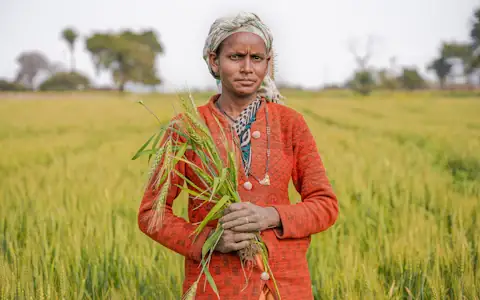
Direct Benefit Transfer in India: ₹53 Lakh Crore and What Still Leaks
India's DBT has moved over ₹53 lakh crore across 320 schemes. How it works, what the ₹5.1 lakh crore savings claim measures, and where money still leaks.
Government payments
India's DBT system has moved about ₹53.8 lakh crore through 320 schemes, and 73% of government-transfer recipients worldwide are now paid into an account. The payment rails are largely solved. What decides whether money reaches people is targeting, account mapping, cash-out and reconciliation.
These guides follow public money from the treasury to the citizen: how benefits, wages and subsidies are paid, how programmable and purpose-bound money works, and what CBDC pilots are testing for governments.

Source DBT Mission; NPCI Aadhaar Payment Bridge; PFMS.
Source Atlantic Council CBDC Tracker, 2026.
Guides
India's DBT has moved over ₹53 lakh crore across 320 schemes. How it works, what the ₹5.1 lakh crore savings claim measures, and where money still leaks.

How governments pay citizens digitally: World Bank Findex data plus Brazil's Bolsa Familia, Kenya's Inua Jamii, the Philippines, Indonesia and Togo compared.

Purpose-bound money attaches spending rules to digital cash. How MAS built PBM via Project Orchid, how it compares with e-RUPI and vouchers, and the risks.

e-RUPI is NPCI's prepaid digital voucher sent by SMS or QR. How it works, who issues it, health, welfare and corporate uses, and what NPCI's data shows.

How the RBI's programmable e-rupee works, from Odisha's Subhadra payments to PDS food subsidies and tenant farmer credit, and why circulation fell in 2025-26.

Inside India's state treasuries: IFMS and Khajane-II bill data, PFMS and SNA float, digital challans, and the CAG and RBI numbers on where state money goes.

How India pays rural wage workers and 50 lakh central staff: ABPS, eFMS, wage-delay data and what the 125-day VB-G RAM G Act changes for state treasuries.
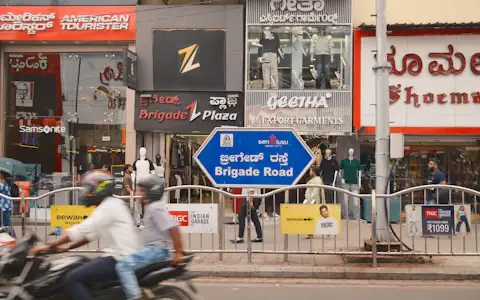
What digital public infrastructure is: Aadhaar, UPI, DigiLocker, Account Aggregator and ONDC at scale, the G20 DPI framework, and which countries adopt it.

RBI rules for prepaid payment instruments explained: small and full-KYC wallet limits, gift and transit cards, cash-out, UPI interoperability and expiry.

Jan Dhan has 57 crore accounts and Findex 2025 says 79% of adults are banked. The harder number is usage: a quarter of Jan Dhan accounts sit inoperative.
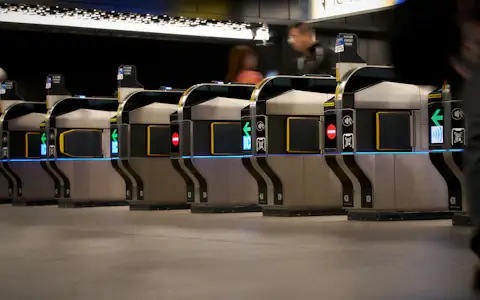
India's NCMC has 164 million cards but patchy gates. How it compares with London contactless, Singapore and Hong Kong, and what Smart Cities left unfinished.

How offline CBDC payments work device to device, what the RBI is testing for the e-rupee, and how the offline digital euro handles privacy and double spending.
India's e₹ explained: retail and wholesale pilots, wallets, offline and programmable money, plus RBI's latest user, transaction and circulation figures.
FAQ
About ₹53.8 lakh crore has moved through more than 300 central schemes on the DBT Mission's count, making DBT the country's largest government payments rail.
It is ordinary digital money carrying spending conditions, such as a subsidy usable only at licensed dealers. The merchant receives unrestricted money once the conditions are met; Singapore's Project Orchid tested the idea.
Yes, that is one of the main use cases being piloted. The RBI's e-rupee pilots have tested programmable payments, and purpose-bound designs let a benefit be spent only on what the scheme allows.
MuffinPay waitlist
Transfer money home, pay rent, school fees and utilities straight to the biller, and spend on one card in any country. The first 10,000 people on the waitlist pay no MuffinPay transfer fee for life, and the next 100,000 get a year free.
We use cookies to understand which research is useful. Analytics run only if you accept. Cookie Policy