






India's Digital Rupee (e₹) in 2026: How It Works, Why Usage Is Uneven
India's e₹ explained: retail and wholesale pilots, wallets, offline and programmable money, plus RBI's latest user, transaction and circulation figures.
CBDCs, e₹, e-CNY and digital euro. 15 researched stories with sources, key takeaways and FAQs.

India's e₹ explained: retail and wholesale pilots, wallets, offline and programmable money, plus RBI's latest user, transaction and circulation figures.

Wholesale CBDC explained: RBI e-rupee-W bond and call money pilots, Swiss Helvetia, BIS Agora and Mariana, ECB Pontes, and why central banks start here.

Who builds CBDCs in 2026: G+D, Bitt, Soramitsu, R3, Consensys, Ripple, Fnality and BIS projects, plus how central banks pick a platform and India's e-rupee.
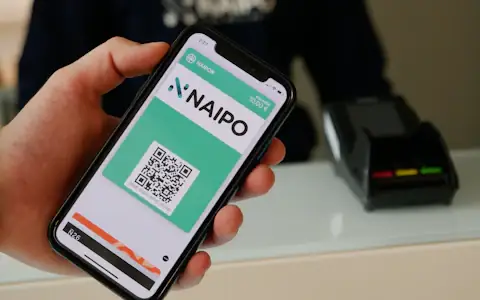
UPI moves bank money; the e₹ is central bank money. Here is how the two differ for users and merchants, and why the RBI keeps building both side by side.

How offline CBDC payments work device to device, what the RBI is testing for the e-rupee, and how the offline digital euro handles privacy and double spending.

Where central bank digital currencies stand in 2026: how many countries are exploring, piloting or have launched, and why the momentum moved to wholesale CBDCs.

How the RBI's programmable e-rupee works, from Odisha's Subhadra payments to PDS food subsidies and tenant farmer credit, and why circulation fell in 2025-26.

The digital euro after the July 2026 Parliament vote: holding limits, offline privacy, merchant fees, build costs and the ECB's 2027 pilot and 2029 target.

China's digital yuan has processed 14.2 trillion yuan and now pays interest as bank deposit money. What changed in 2026, and why cross-border use matters most.

mBridge passed $55 billion after the BIS withdrew, while the BIS-led Agorá tests tokenised deposits. How the two cross-border CBDC models differ.

Stablecoins, CBDCs and tokenised deposits all look like digital money on a phone. The difference is who stands behind them. A plain 2026 comparison.

Pix processed nearly 80 billion payments worth R$35 trillion in 2025, while Brazil's Drex dropped its blockchain. What the two projects teach about payments.

e-rupee vs digital euro vs e-CNY compared on design, holding limits, interest, offline use, privacy and adoption, with a detailed table and 2026 numbers.

Only three retail CBDCs have fully launched. Sand Dollar, JAM-DEX and eNaira data show why uptake stayed below 1% of cash, and what pilots should learn.

The CBDC privacy debate explained: tiered privacy, the ECB offline promise, India's managed anonymity, China's model, the US rejection and what citizens fear.
Source Atlantic Council CBDC Tracker, 2026.
MuffinPay waitlist
Transfer money home, pay rent, school fees and utilities straight to the biller, and spend on one card in any country. The first 10,000 people on the waitlist pay no MuffinPay transfer fee for life, and the next 100,000 get a year free.
We use cookies to understand which research is useful. Analytics run only if you accept. Cookie Policy