Circle's IPO, 16 Months On: What Markets Now Say About Stablecoins
Circle priced at $31, hit $299 and has swung wildly since. What the CRCL share price says about how investors value stablecoins, rates and distribution.

Key takeaways
- Circle listed at $31 in June 2025, peaked near $299 within three weeks and closed at $84.51 on 9 October 2026.
- Investors now value Circle mainly on its interest-rate exposure and distribution costs, at roughly 0.3 times its USDC in circulation.
- Trust charters and the Arc launch lifted the stock in 2026, but the core question is whether stablecoin issuers can earn network fees rather than just spread.
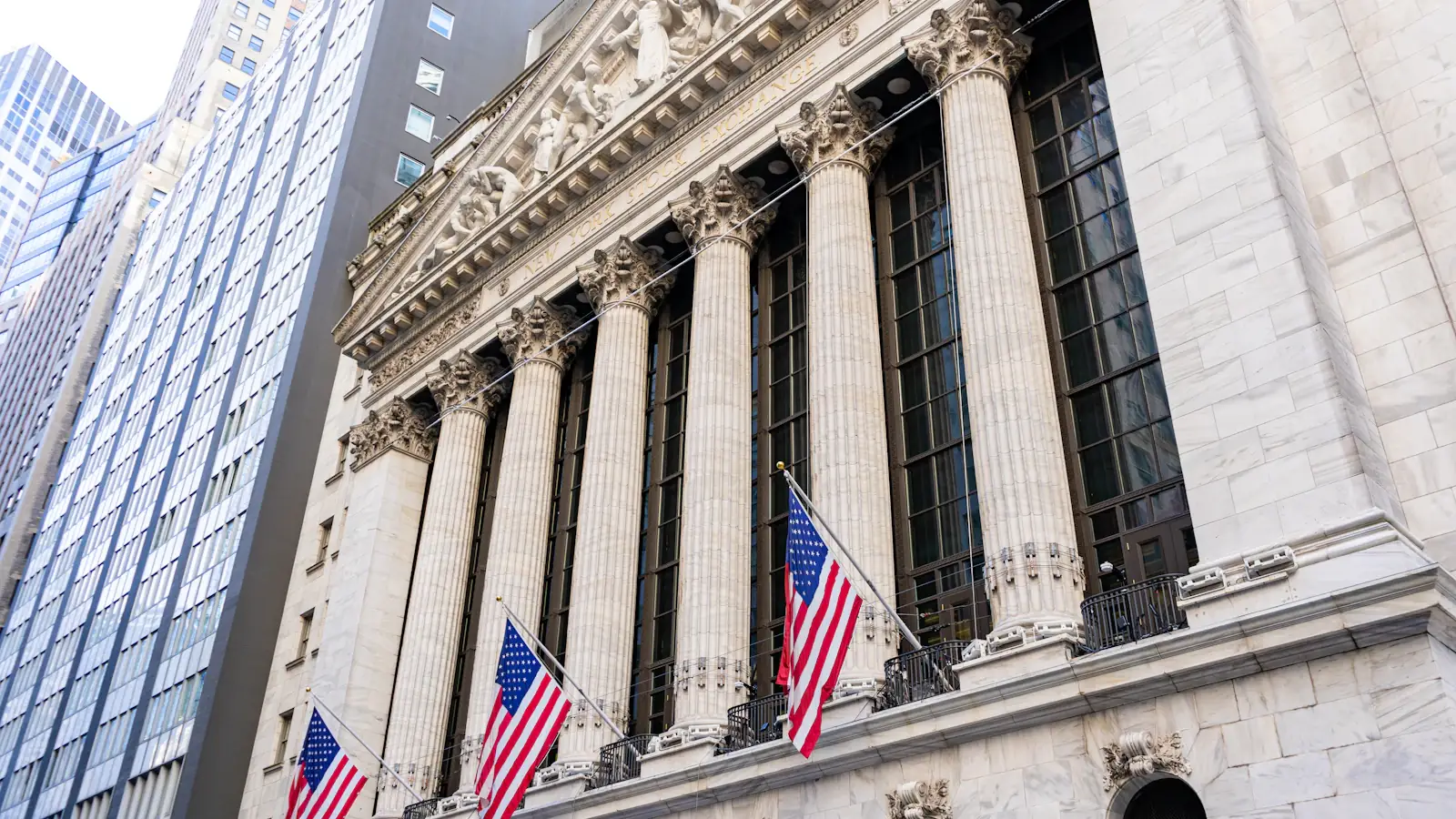
For most of their history, stablecoin issuers were private companies that published reserve reports and little else. Circle's listing on the New York Stock Exchange in June 2025 changed that. For the first time, investors could vote every day on what a regulated dollar-token business is worth. Sixteen months later, the verdict is in, and it is more nuanced than either the euphoric debut or the slump that followed.
The debut: a stablecoin company priced like a tech darling
Circle priced its offering at $31 a share, above the range it had marketed, and sold about 34 million shares to raise roughly $1.1 billion. When trading opened on 5 June 2025 the stock started at $69.50 and closed the day at $83.29, a 168% first-day gain that left the company worth around $16.7 billion, according to Crunchbase News.
The rally kept going. Within three weeks the shares hit a record of about $299, more than nine times the offer price. At that peak the market was valuing Circle well above the amount of USDC it had in circulation, which was a striking thing to pay for a business whose main income is interest on Treasury bills.
The comedown: rates, distribution costs and a sceptical BIS
The turn came quickly. On the day the Bank for International Settlements published its 2025 annual report arguing that stablecoins fail key tests of sound money, Circle's shares fell more than 15%, as The Block reported. By early July the lead underwriter, JPMorgan, had cut its rating to neutral, and the stock had dropped by more than a third from its peak.
Three worries did the damage, and they are still the right lens for the company:
- Interest-rate exposure. Nearly all of Circle's revenue is reserve income, so every Federal Reserve cut lowers it. Circle's reserve return rate was 3.48% in the second quarter of 2026, down 66 basis points from a year earlier.
- Distribution costs. Circle pays a large share of its income to Coinbase and other partners. In the second quarter of 2026, distribution, transaction and other costs were $412 million against $701 million of revenue.
- Flat supply. USDC circulation was $73.3 billion at the end of June 2026, down 5% from the previous quarter even though it was up 19% on the year.
By December 2025 the shares were down nearly 70% from their high, according to The Motley Fool. For the full year 2025, Circle reported revenue of $2.7 billion, up 64%, but a net loss from continuing operations of $70 million, largely because of $424 million of stock-based compensation tied to the listing.
Source McKinsey and Artemis Analytics estimate of 2025 payment volume; Artemis 2026 year-to-date; Visa via The Block, September 2026.
The 2026 rebound: charters and a cheaper starting point
This year has been a story of regulatory progress lifting a battered stock. Circle won a national trust charter in early July 2026 and a New York trust charter at the end of the month. Shares rose 52.6% in August, helped by bullish analyst notes and a 20% rise in bitcoin, according to an S&P Global Market Intelligence figure cited by Nasdaq. Even after that rally, the stock was still about 61% below its 2025 peak in early September.
On 9 October 2026 Circle closed at $84.51, giving a market value of about $21.6 billion. Its 52-week range ran from $49.90 to $147.44, and the shares were down roughly 44% over twelve months, according to MarketScreener data. Circle's Arc blockchain, which went live in September with BlackRock, Visa and Mastercard among its validators, has given the bulls a new story about network revenue.
Public markets have decided that a stablecoin issuer is a rate-sensitive financial company first and a technology platform second.
What the share price is really telling us
Strip out the noise and four messages stand out.
- The float is valued like a deposit base. At about $21.6 billion, Circle trades at roughly 0.3 times its USDC in circulation. At the mid-2025 peak it was above one. Investors now price USDC much as they would a bank's low-cost deposits: valuable, but only as valuable as the spread they earn.
- Distribution is the weak spot. Markets reward businesses that own their customers. Circle's reliance on partners for reach shows up directly in its margins, which we unpack in how stablecoin issuers make money.
- Regulation is a premium, not a moat. Charters and licences lifted the stock, but they are available to competitors too, including the bank consortia and card networks now issuing their own tokens.
- Crypto beta has not gone away. Circle still moves with bitcoin. Short interest was around 13% of shares in early September 2026, a sign of how divided investors remain.
The wider listing wave
Circle's debut opened the door for others. The exchange operator Bullish raised about $1.11 billion in its August 2025 New York listing, and Gemini raised about $425 million in September 2025 after pricing at $28 a share. Each has since traded on its own fundamentals, but together they gave public investors their first broad set of regulated crypto businesses to compare.
The most interesting comparison sits outside the stock market. Tether, far larger and more profitable than Circle, explored raising money at a $500 billion valuation in late 2025 before reportedly scaling back the plan after investor pushback. The gap between that ambition and Circle's roughly $21 billion market value shows how hard it still is to agree on what a dollar-token franchise is worth. For context on the two coins, see USDT vs USDC.
What comes next
Circle reports third-quarter results on 4 November 2026. The numbers to watch are USDC circulation, the reserve return rate after further rate cuts, the share of revenue paid to distributors, and any early income from Arc. The bigger question is the one public markets have been asking since June 2025: can a stablecoin issuer become a payments network that earns fees, rather than a money-market fund that earns spread? The share price will keep swinging until that is answered. Our 2026 market report tracks the supply side of the story.
Share prices and market values are as of the dates stated. This article is for information only and is not a recommendation to buy or sell any security.
Frequently asked questions
When did Circle go public?
Circle began trading on the New York Stock Exchange under the ticker CRCL on 5 June 2025 after pricing its IPO at $31 a share and raising about $1.1 billion.
Why did Circle stock fall after its IPO?
After peaking near $299 in June 2025, the shares fell on concerns about falling interest rates, high payments to distribution partners such as Coinbase, and a flat USDC supply.
What is Circle worth in 2026?
Circle closed at $84.51 on 9 October 2026, giving it a market value of about $21.6 billion.
Sources and further reading
- Crunchbase News: Circle shares soar in NYSE debut
- The Block: BIS argues stablecoins fail three key tests
- The Motley Fool: Down nearly 70% from its high
- Nasdaq: How Circle Internet stock gained 52.6% last month
- MarketScreener: Circle Internet Group quotes
- Circle: Q4 and full year 2025 results
This article is for general information and is not financial, legal or tax advice. Figures are as reported by the sources above at the time of writing.