Stablecoin Regulation in Asia and the Gulf: HK, Singapore, Japan, UAE
How Hong Kong's Stablecoins Ordinance, Singapore's MAS framework, Japan's yen stablecoin rules and the UAE's CBUAE and VARA regimes compare in 2026.

Key takeaways
- Hong Kong's Stablecoins Ordinance took effect in August 2025 and the HKMA granted its first two issuer licences, to HSBC and Anchorpoint, in April 2026.
- Singapore published draft legislation in September 2026 that would ban issuer-paid interest and create a recognition route for foreign stablecoins.
- Japan and the UAE both reserve local-currency stablecoins for tightly regulated issuers, with JPYC live since October 2025 and dirham tokens under central bank control.
The stablecoin debate in Washington and Brussels gets most of the attention, but some of the most carefully designed rules are being written in Asia and the Gulf. These are financial centres that live on cross-border money, and their regulators have had to decide quickly whether stablecoins are a threat to their currencies, an opportunity for their banks, or both. Their answers differ in revealing ways.
Hong Kong: strict licences, banks first
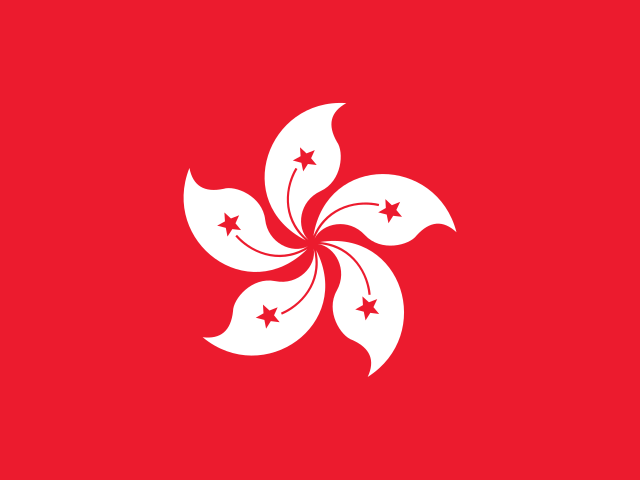
Hong Kong's Stablecoins Ordinance took effect on 1 August 2025. It requires a licence from the Hong Kong Monetary Authority for anyone issuing a fiat-referenced stablecoin in Hong Kong, for anyone issuing a Hong Kong dollar stablecoin anywhere, and for anyone actively marketing stablecoins to the Hong Kong public, according to Davis Polk.
The key rules:
- Paid-up capital of at least HK$25 million for non-bank issuers.
- Reserves at least equal to every token in circulation, held in segregated trust arrangements.
- Redemption at par within one business day.
- Only stablecoins from licensed issuers can be offered to retail investors; others are limited to professionals.
The HKMA has been deliberately slow. Its first two issuer licences, granted on 10 April 2026, went to HSBC and to Anchorpoint Financial, a joint venture of Standard Chartered's Hong Kong arm, HKT and Animoca Brands, as Charltons reported. The message is clear: Hong Kong wants a small number of well-capitalised issuers with bank-grade controls, not a crowded field.
Singapore: from framework to full law
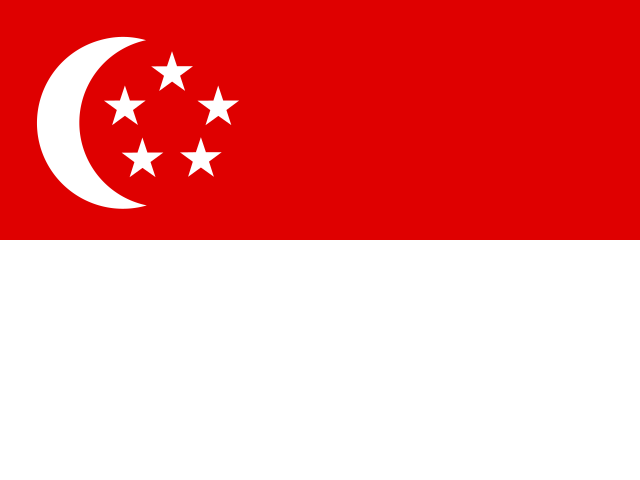
The Monetary Authority of Singapore finalised its single-currency stablecoin framework in August 2023, and on 1 September 2026 it published draft amendments to the Payment Services Act to put it on a full legal footing, with comments due 16 October 2026. According to Gibson Dunn, the draft would:
- Create a standalone stablecoin issuance licence, with only licensees allowed to use the label "MAS-regulated stablecoin" and criminal penalties for misuse.
- Require reserves at least equal to par value in segregated trust accounts, with attestation and audit.
- Ban issuers from paying interest on holdings, in line with the US approach.
- Add quarterly stress testing, recovery and wind-down plans, and powers to trace, freeze and burn tokens.
- Open a route to recognise well-regulated foreign stablecoins, and allow multi-jurisdiction issuance case by case.
Singapore's distinctive move is the recognition regime. Rather than forcing every global coin to set up locally, it would let MAS accept tokens regulated to a comparable standard elsewhere. That is a pragmatic answer for a hub whose banks settle trade across Asia.
- EUMiCA stablecoin rules apply
- UAECentral bank payment token rules
- USGENIUS Act signed
- Hong KongStablecoins Ordinance in force
- Hong KongFirst issuer licences
- EUMiCA transition ends
- USGENIUS Act fully in effect
Source EU MiCA; Central Bank of the UAE; US Congress; HKMA; 2026 implementation updates.
Japan: early law, slow start, now a yen coin
Japan was first among major economies to legislate, revising its rules in June 2023 so that only registered providers under its fund settlement and banking laws can issue or manage stablecoins. For two years little happened. Then in March 2025 SBI's crypto arm began offering USDC as the first major dollar stablecoin approved for Japan, and on 27 October 2025 JPYC launched what it calls the country's first legally recognised yen stablecoin.
JPYC is backed fully by yen deposits and Japanese government bonds, runs on Avalanche, Ethereum and Polygon, and requires users to verify identity with a My Number card. The company is aiming for ¥10 trillion, about $65 billion, in circulation within three years, according to The Block. That target is ambitious, but a regulated yen token matters for a country with large outbound tourism and a big export sector.
UAE: two regulators, two jobs
The UAE's approach is the most layered, because it has a federal central bank and separate financial free zones.
- Central Bank of the UAE (federal). The Payment Token Services Regulation, issued in June 2024 and effective from August 2024, governs dirham-backed and foreign-currency payment tokens. Dirham tokens must be backed one-for-one with dirham assets, audited monthly and redeemable at par. Foreign-currency tokens are recognised but cannot be used to pay for dirham-priced goods and services onshore, according to Neo Legal. AE Coin received in-principle approval as a dirham stablecoin in October 2024, and First Abu Dhabi Bank, with ADQ and IHC, announced plans for another in April 2025.
- VARA (Dubai, outside the DIFC). Dubai's virtual asset regulator licenses issuers of fiat-referenced virtual assets but does not allow tokens pegged to the dirham, which remain the central bank's territory.
- DFSA (DIFC financial centre). In February 2025 the DFSA recognised USDC and EURC as the first approved stablecoins for use by its more than 6,000 registered firms.
For someone in Dubai, the practical upshot is that dollar stablecoins are usable for investment, treasury and cross-border transfers through licensed firms, while day-to-day local payments are reserved for dirham tokens under central bank control. That matters for the huge Gulf-to-South-Asia remittance flows we cover in our corridor guide.
Side by side
| Market | Main law or rule | Who can issue | Reserve rule | Status in 2026 |
|---|---|---|---|---|
| Hong Kong | Stablecoins Ordinance (Aug 2025) | HKMA licensees | Full backing, one-day redemption | First two licences in April 2026 |
| Singapore | MAS framework (2023), draft law (Sep 2026) | MAS licensees; foreign coins via recognition | Par-value reserves in trust; no interest | Consultation closes 16 Oct 2026 |
| Japan | Payment Services Act amendments (2023) | Registered providers under Japanese law | JPYC: yen deposits and JGBs | USDC via SBI; JPYC live since Oct 2025 |
| UAE | CBUAE PTSR (2024), VARA, DFSA | Central bank for dirham tokens | 1:1 dirham assets, monthly audits | Dirham coins approved; USDC, EURC recognised in DIFC |
Every one of these regulators is protecting its own currency first and welcoming the dollar second.
What ties them together
Three patterns stand out. All four demand full reserves and fast redemption, lessons learned from the failures in our depeg history. All four put local-currency stablecoins under the tightest control, a defence against what the Bank for International Settlements calls stealth dollarisation. And all four lean on banks, either as issuers or as reserve custodians. Compare that with the more market-driven US model in our GENIUS Act and MiCA explainer.
The result for users across the region should be fewer but safer coins, and clearer answers to the question that matters most: if something goes wrong, who is accountable?
This is a summary for general readers, not legal advice. Rules in all four markets were still evolving as of August 2026.
Frequently asked questions
Are stablecoins legal in Hong Kong?
Yes, under the Stablecoins Ordinance in force since 1 August 2025. Issuers need an HKMA licence, and only licensed stablecoins can be offered to retail investors.
How does Singapore regulate stablecoins?
MAS has had a single-currency stablecoin framework since 2023 and in September 2026 proposed turning it into law with a dedicated issuance licence, full reserves, stress testing and a ban on paying interest.
Can you use USDC or USDT in the UAE?
Foreign-currency stablecoins are recognised by the UAE central bank but cannot be used to pay for dirham-priced goods and services onshore. In the DIFC, USDC and EURC are approved tokens for regulated firms.
Sources and further reading
- Davis Polk: Hong Kong's stablecoin framework now in effect
- Charltons: HKMA issues first stablecoin issuer licences
- Gibson Dunn: Singapore publishes draft stablecoin legislation
- The Block: JPYC launches yen stablecoin
- Neo Legal: CBUAE Payment Token Services Regulation
- Circle: USDC and EURC recognised by DIFC
- The National: IHC, ADQ and FAB to launch dirham-backed stablecoin
This article is for general information and is not financial, legal or tax advice. Figures are as reported by the sources above at the time of writing.
 UAE guides